Metal-oxidation-de-scaling
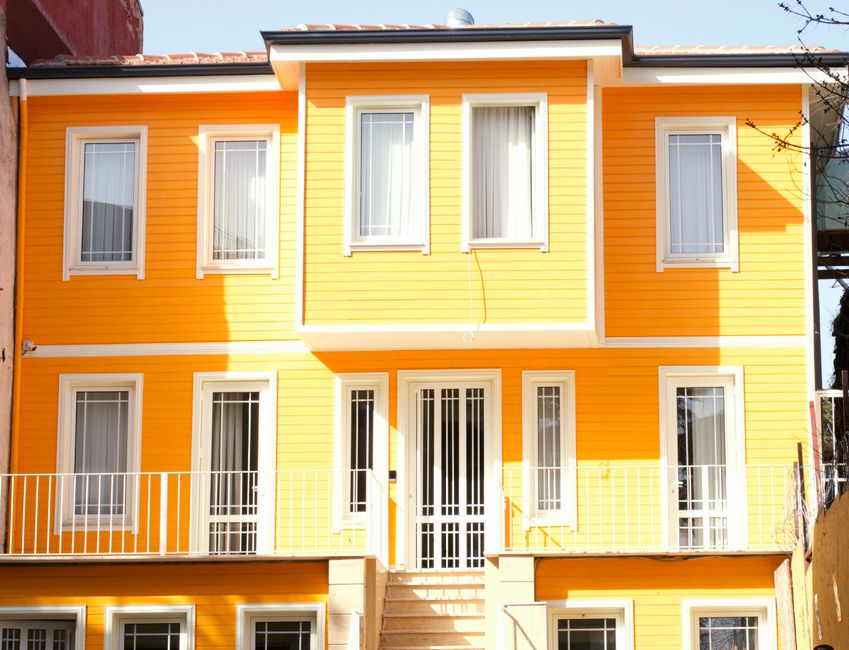
Metal should look smooth and clean. Instead, oxidation creates flaky layers that prevent adhesion. Proper preparation for any repaint project in Santa Monica, CA requires heavy mechanical intervention, and house painting santa monica pluck and feather details the process through technical observation. A failure to remove loose scales means the new coating fails within months.
Mechanical De-scaling Protocols
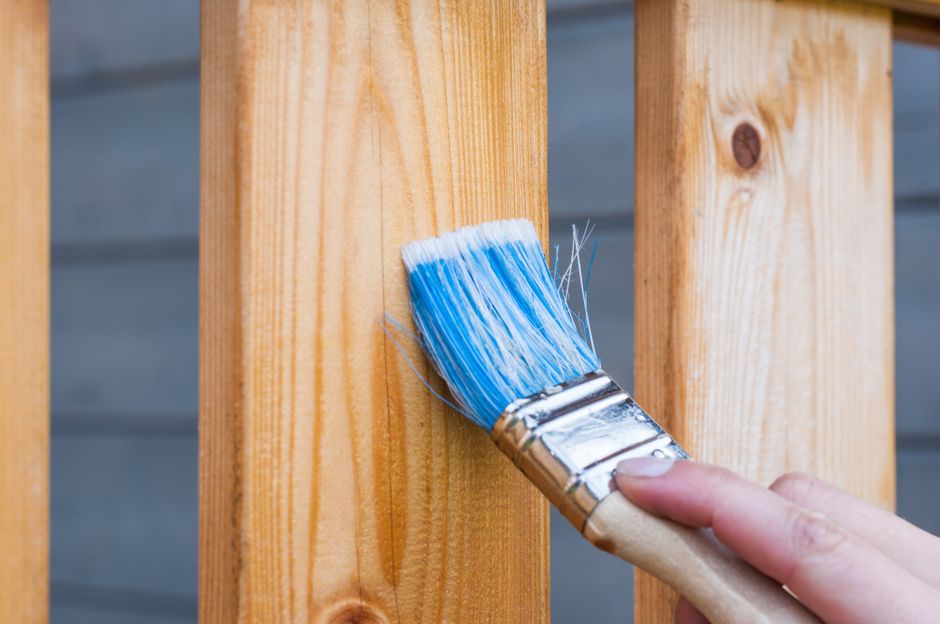
Loose rust must be physically detached from the substrate. Using a wire brush or a needle scaler removes the thickest oxidation. If the metal surface remains uneven, the subsequent primer will not bond. Mechanical removal stops at the stable oxide layer. Any remaining loose material will cause delamination. A heavy nap roller cannot compensate for a surface that is still shedding flakes. The goal is to reach a profile that holds the coating through mechanical tooth.
Surface Profiling and Sanding
Once the heavy scales are gone, the surface requires sanding. Hand sanding or power sanding creates the necessary texture. A scuff sand is insufficient for heavy oxidation. The metal requires a deep profile to ensure the primer bites into the steel. In the humid air of Santa Monica, CA, salt spray accelerates this decay. After the heavy work, a fine grit sanding ensures the edges of the metal are smooth. A rough edge causes the topcoat to pull away over time.
Primer Application and Mil Thickness
Applying a primer directly to scaled metal is a mistake. The primer needs a clean, stable base. For ferrous metals, an oil based primer provides a better moisture barrier than standard latex options. The application must achieve a specific mil thickness to seal the pores of the metal. Thin coverage allows oxygen to reach the steel again. Two coats of a high performance primer offer the best defense against further oxidation. A sprayer can provide even coverage, but a brush ensures the product is worked into the pits left by the rust.
Final Coating and Sheen Selection
The final layer, often an enamel, provides the weather resistance. A satin or semi gloss sheen is common for exterior metalwork because these finishes shed water more effectively than flat finishes. The topcoat protects the primer from UV degradation. If the metal is part of a structure, checking the integrity of nearby caulk or spackle is part of the standard workflow. A solid finish requires a clean substrate and a consistent application of the final layer to prevent premature peeling.