Salt-spray-corrosion-mitigation

Salt air carries chloride ions that penetrate standard finishes. Information provided within house painting santa monica pluck and feather details the specific chemical interactions occurring during a repaint in Santa Monica, CA. High humidity levels accelerate the oxidation of metal fasteners and substrate degradation. Moisture trapped under a standard latex film leads to blistering and delamination. Proper mitigation requires a systematic approach to surface preparation and barrier construction.
Surface Preparation and Substrate Integrity
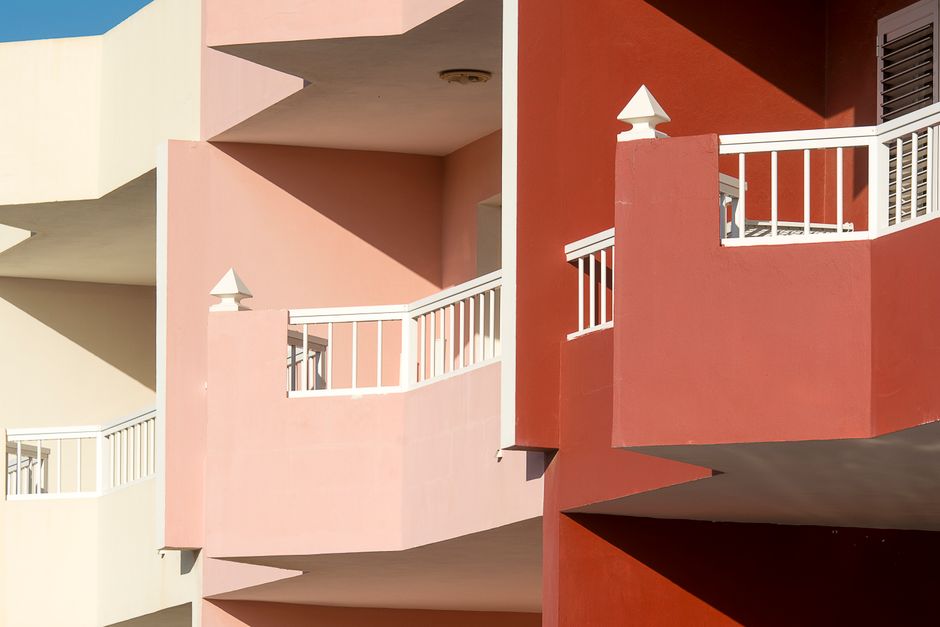
Corrosion prevention begins with the removal of existing salt deposits. Mechanical sanding removes oxidized layers and provides a profile for adhesion. A scuff sand ensures the substrate is clean and ready for chemical bonding. Patching holes with specialized fillers prevents moisture from entering the core material. Any remaining salt buildup will cause a failure in the bond regardless of the product used. Every square inch of the surface must be wiped down to ensure no particulates remain trapped under the new layer.
Barrier Coating Selection
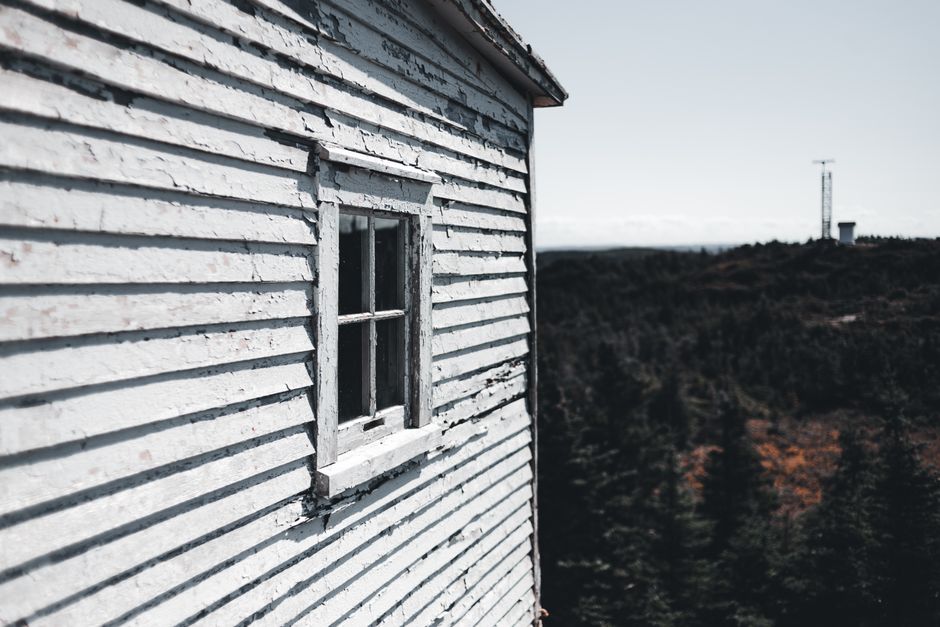
A high performance primer acts as the first line of defense against salt penetration. This layer must seal the substrate completely to prevent osmotic blistering. For coastal environments, an oil based primer often provides a more robust moisture barrier than standard water based options. Once the primer is cured, the application of a heavy duty topcoat follows. The mil thickness of this layer determines the longevity of the shield. A thin application fails to block the microscopic pores that allow salt air to reach the metal or wood underneath.
Application Methods and Mil Thickness
Achieving a uniform mil thickness requires precision during the application process. An airless sprayer provides a consistent layer across large vertical spans, which helps minimize pinholes. Using a roller with a specific nap allows for pushing material into the textures of the surface. Two coats are required to ensure full coverage and to eliminate any holidays in the film. A single pass is never sufficient for salt spray protection. The coating must be thick enough to withstand constant exposure to the Pacific air without thinning out.
Sheen and Durability Factors
The selected sheen affects both the aesthetics and the physical resistance to the elements. A semi gloss or satin finish offers better washability and moisture resistance than a flat finish. Higher sheen levels typically indicate a higher resin content, which provides a tighter film structure. This tight structure makes it harder for salt ions to migrate through the coating. Selecting a sheen that is too low increases the porosity of the surface. Dense, non porous films are the only way to maintain the integrity of the work in Santa Monica, CA.
Final Inspection and Sealants
Every joint and seam requires attention to prevent localized corrosion. Applying high grade caulk around window frames and door casings stops salt air from entering the wall cavity. The goal is a continuous, unbroken barrier. Inspecting the edges ensures that the coating extends fully into every corner. Failure to seal these gaps leads to rapid deterioration. A complete seal provides the only defense against the corrosive atmosphere of the coast.