Wood-rot-structural-integrity-assessment
Ten millimeters of soft wood fiber indicates a complete failure of the structural core. Every inspection logged at house painting santa monica pluck and feather shows the same thing regarding moisture infiltration in coastal Santa Monica. A failed paint job often hides rot that eats through the cellulose before a new layer of latex or acrylic can even be applied. A painter must look past the surface sheen to see if the substrate remains sound.
The Mechanical Test of Cellulose Integrity

A flat head screwdriver is the primary tool for checking the density of a beam or trim piece. Pushing the tip into the grain reveals the depth of the decay. If the metal penetrates easily, the wood is no longer a structural component. Applying spackle or wood filler to a soft base results in immediate failure. The filler lacks the mechanical bond to hold against the expansion and contraction of the building. A small sample overstates the edge if the rot extends deep into the interior of the timber.
Moisture Traps and Surface Symptoms
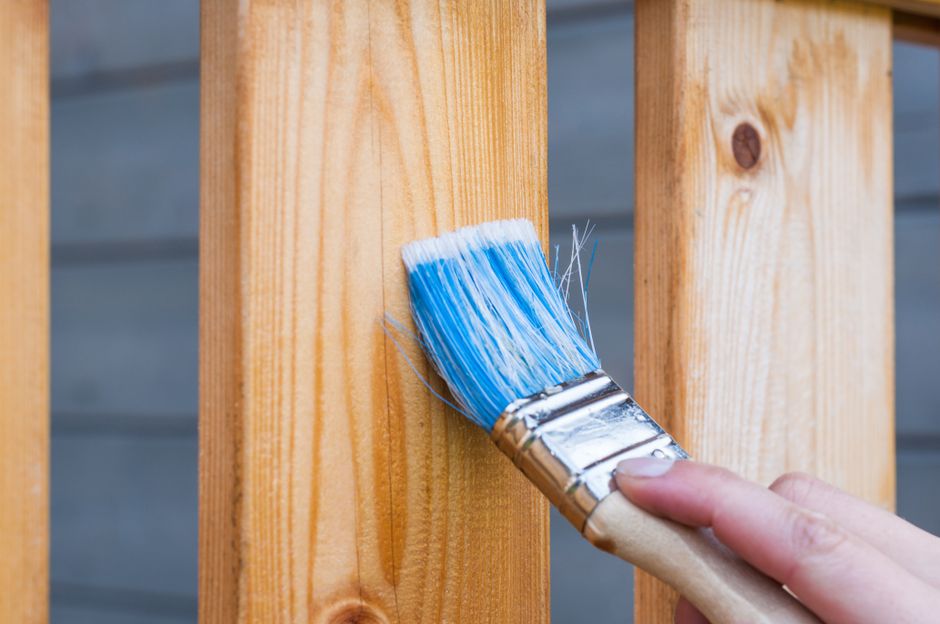
Swelling in the grain often precedes the actual collapse of the fibers. In Santa Monica, CA, salt air and humidity accelerate the breakdown of organic matter. Bubbling in a satin or semi gloss finish typically signals that moisture is moving from the inside out. This pressure pushes the paint away from the wood. Attempting to cut in around a rotting corner without addressing the core decay leads to wasted material and repeated labor. The wood must be dry and solid before any primer is applied.
Replacement versus Patching Protocols
Patching is only viable when the decay is superficial and limited to the outer two inches of the material. If the rot reaches the center of a load bearing member, the section requires full replacement. A piece of new wood must be fitted tightly to prevent new gaps. Using caulk to hide a deep structural void is a mistake. The new wood needs a clean surface for proper adhesion. Sanding the area to remove loose particles ensures the new material integrates with the old.
Preparing the Substrate for Finish
Once the rot is removed and the wood is replaced, the surface needs preparation. A good primer seals the new grain and prevents the wood from sucking the moisture out of the topcoat. Applying two coats ensures a consistent mil thickness across the entire surface. The final finish, whether it is an oil based coating or a water based product, depends on the environmental exposure of the specific site. A smooth surface is achieved through careful sanding before the final application of the color.